


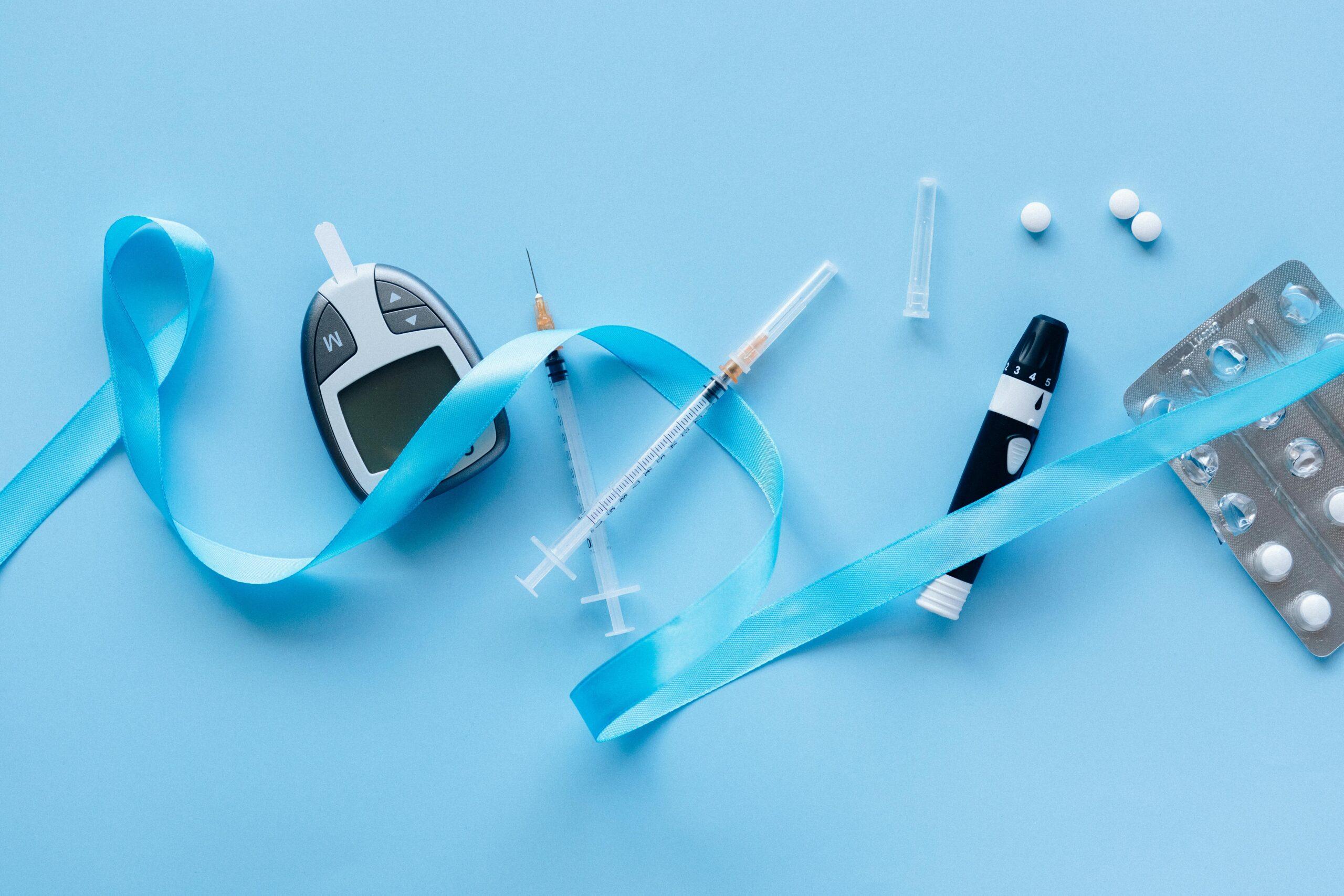
Em Portugal, as doenças metabólicas afetam milhões de pessoas e constituem uma das principais causas de internamento hospitalar e mortalidade prematura. Diabetes, hipertensão arterial, colesterol elevado e triglicéridos elevados são condições silenciosas, mas controláveis.
This guide explains what they are, how to detect them and, above all, how to live well with them.
- Controlo da diabetes mellitus
- Hipertensão arterial
- Colesterol elevado (hipercolesterolemia)
- Triglicéridos elevados (hipertrigliceridemia)
- Perguntas frequentes
1. Diabetes Mellitus Control
Type 1, type 2 and gestational diabetes
Diabetes mellitus is a chronic disease characterized by high levels of glucose in the blood (hyperglycemia), resulting from failures in the production or action of insulin. In Portugal, it is considered a silent epidemic: according to the National Diabetes Observatory, more than one million Portuguese live with this condition.
Relevant data:
- in data from 2021, the prevalence of diabetes was 14.1%.
- 13.6% of the Portuguese adult population has diabetes
- 1 in 3 diabetic people don’t know they have the disease
- the most affected age group is the 60+ age group
How does it manifest and how is it diagnosed?
Type 2 diabetes, the most common, accounting for around 90% of cases, develops slowly and can go on for years without symptoms. The most common warning signs are excessive thirst, frequent urination, blurred vision, persistent tiredness and slow wound healing. Diagnosis is made through fasting blood tests (fasting glucose ≥126 mg/dL) or glycated hemoglobin (HbA1c ≥6.5%).
Medilav recommendation
Diabetes screening should be carried out from the age of 45 or earlier if there are risk factors such as obesity, family history or a sedentary lifestyle.
Effective control strategies
-
- Regular blood glucose monitoring: home monitoring makes it possible to adjust medication and diet in real time.
- Mediterranean diet: a predominance of plant-based foods, namely fruit, vegetables, whole grains, tubers, oleaginous fruits, legumes and olive oil. Talk to our nutritionist.
- Regular physical activity: at least 150 minutes a week of moderate exercise improves insulin sensitivity.
- Adherence to medication: metformin, SGLT-2 inhibitors and GLP-1 analogs are options available on the NHS with reimbursement
- Regular consultations: ophthalmology, nephrology and podiatry to prevent complications such as retinopathy, nephropathy and diabetic feet
2. Hypertension
The most prevalent “silent killer
Hypertension is defined by systolic blood pressure values equal to or greater than 140 mmHg and/or diastolic blood pressure equal to or greater than 90 mmHg, in repeated measurements. It’s called the “silent killer” because, in most cases, it doesn’t cause any symptoms until the heart, kidneys or brain have already suffered significant damage.
In Portugal, the prevalence is among the highest in Western Europe. Excess salt in the Portuguese diet is identified as one of the main environmental factors contributing to this situation. Want to know how to improve your diet? Talk to our nutritionist.
Reference values and categories
| Category | Systolic | Diastolic |
|---|---|---|
| Great | < 120 | < 80 |
| Normal | 120-129 | 80-84 |
| High Normal | 130-139 | 85-89 |
| Grade 1 hypertension | 140-159 | 90-99 |
| Grade 2 hypertension | 160-179 | 100-109 |
| Grade 3 hypertension | ≥ 180 | ≥ 110 |
| Isolated systolic hypertension | ≥ 140 | < 90 |
How to control blood pressure
-
- Reduce sodium: the goal is less than 5g of salt per day; avoid processed foods, canned goods and sausages
- Mediterranean Diet or DASH Diet: reduced consumption of salt, fat (saturated and “trans”), sugar, red meat and alcohol and increased consumption of vegetables, legumes, whole grains and lower-fat dairy products.
- Regular physical exercise: preferably aerobic exercise (running, cycling, walking), supplemented with resistance/strength exercises that increase muscle strength and mass (push-ups, squats, weights).
- Avoid alcohol consumption
- Antihypertensive medication: ACE inhibitors, angiotensin receptor blockers (ARA) and thiazide diuretics are reimbursed by the NHS.
3. High cholesterol
LDL, HDL and cardiovascular risk
Relevant data:
-
52% of adults in Portugal have high cholesterol
-
50% have never been diagnosed
-
x3 higher risk of heart attack with high LDL
Cholesterol is an essential fat for the body, but when it is in excess, especially LDL (“bad cholesterol”), it is deposited on the walls of the arteries, forming atheromatous plaques that can cause myocardial infarction and strokes. Hypercholesterolemia is silent and can only be detected through blood tests.
In Portugal, it is recommended that healthy adults keep their LDL below 115 mg/dL. For people with established cardiovascular disease or diabetes, the target is even more demanding: LDL below 70 mg/dL (or even 55 mg/dL in high-risk cases).
Difference between LDL and HDL
HDL (“good cholesterol”) acts as a kind of “sweeper” of the arteries – it transports excess cholesterol to the liver for elimination. Low HDL values (below 40 mg/dL in men and 50 mg/dL in women) are in themselves an independent cardiovascular risk factor.
Did you know that?
Familial hypercholesterolemia is a genetic condition that affects around 1 in 300 Portuguese and causes very high LDL values from childhood. Early diagnosis is essential and the family cascade is mandatory.
Cholesterol reduction strategies
-
- Reduce saturated and trans fats: replace butter with olive oil, fatty meats with fish and legumes
- Increase soluble fiber: oats, beans, lentils and apples actively reduce the intestinal absorption of cholesterol
- Phytosterols: present in enriched margarines and functional yogurts, proven to reduce LDL by 10-15%.
- Statins: the most effective pharmacological treatment; simvastatin and atorvastatin are widely available and reimbursed on the NHS.
- Physical exercise: increases HDL and improves overall lipid profile
4. High triglycerides
Hypertriglyceridemia and the role of diet
Triglycerides are the main form of energy storage in the body. High triglyceride levels (hypertriglyceridemia) can result from an unbalanced diet with excessive calorie intake, rich in simple carbohydrates and saturated fats, a sedentary lifestyle, alcoholism and/or diseases (metabolic syndrome, obesity, diabetes mellitus, hypothyroidism, kidney disease, liver disease, systemic lupus erythematosus). They are also an independent risk factor for cardiovascular disease.
Relevant data:
-
>150 mg/dL is the alert threshold
-
>500 mg/dL increases the risk of acute pancreatitis
-
30% of Portuguese with values above normal
The main villains
The main causes of increased triglycerides are alcohol consumption and the consumption of foods rich in sugar and fats.
How to normalize triglycerides
-
- Maintaining a healthy weight
- Avoid alcohol consumption
- Opt for foods rich in fiber
- Avoid saturated fats
- Mediterranean diet and/or DASH
- Use omega-3 supplements (EPA+DHA) only on the recommendation of a health professional
5. Frequently Asked Questions
Can I have diabetes, hypertension and high cholesterol at the same time?
Yes. This combination, combined with abdominal obesity, makes up metabolic syndrome, a condition with a high prevalence in Portugal. The success of the treatment lies in integrated intervention: in conjunction with the family doctor, the inclusion of a nutritionist in the care plan is fundamental to reversing the metabolic indicators through a structured dietary re-education.
Can metabolic diseases be cured?
Through rigorous lifestyle intervention, focused on dietary re-education, exercise and weight management, it is possible to normalize health indicators and, in many cases, eliminate the need for medication.
However, although the disease may go into remission, the body’s predisposition remains. Long-term success depends on maintaining the new habits, since a return to previous behaviors will cause metabolic imbalances and the associated risks to reappear.
Does the NHS pay for medicines for these diseases?
Yes, Portugal has one of the best co-payments in Europe for medicines for chronic diseases. Metformin, statins, ACE inhibitors and many antihypertensives are reimbursed at 69% to 100% for patients with an active prescription.
How often should I carry out control tests?
For controlled and stable patients, routine tests every 6 months to 1 year are recommended. For patients with recent medication adjustments or decompensated values, the doctor may recommend more frequent monitoring (every 3 months).
Can children and young people also get these diseases?
Yes. Type 1 diabetes is more common in children and young people. Familial hypercholesterolemia also manifests itself from childhood. With the increase in childhood obesity in Portugal, type 2 diabetes and hypertension are appearing at an increasingly early age.