


The immune system consists of a group of organs and cells whose function is to protect the body against disease. In other words, it must recognize the pathogens that invade our body and be able to defend us against them.
In this sense, it is essential that we have an efficient immune system, promoting our well-being and health.
The evidence shows that, in addition to genetic factors, diet and physical activity play a relevant role for the immune system.
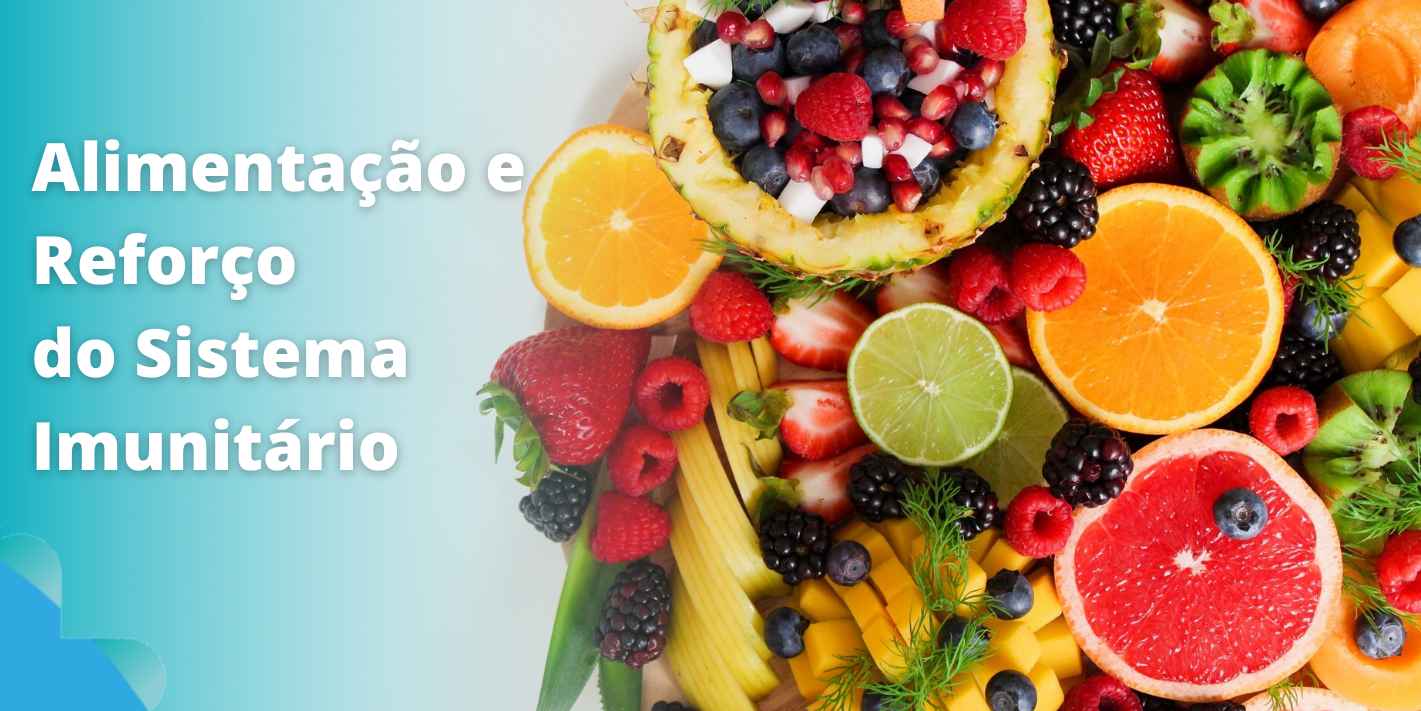
Therefore, in order to ensure the normal functioning of this group of cells, it is essential to eat a balanced and varied diet, made up of energy-providing nutrients (carbohydrates, protein, lipids), vitamins and minerals, and water. Antioxidants from fruit and vegetables are also great allies in boosting immunity.
Therefore, we should ideally include it in our diet and pay attention to the following:
Vitamin C – antioxidant, with potential benefits in respiratory tract infections.
Food sources: Citrus fruits (orange, tangerine, lemon), strawberries, kiwi, cabbage, peppers, broccoli.
Vitamin E – antioxidant, optimizes immune response.
Food sources: oleaginous fruits (walnuts, almonds) and vegetable oils.
Selenium – Synergizes with vitamin E. Acts to eliminate free radicals.
Food sources: Brazil nuts, seeds, mushrooms, eggs, cereals and derivatives.
Carotenoids – activate the immune system, optimizing the body’s defences.
Food sources: Orange, yellow and red vegetables and fruits (sweet potatoes, tomatoes, carrots, pumpkin, melon).
Simple guidelines to include in your daily life, optimizing the consumption of these foods:
- Introduce a piece of fruit for dessert (e.g. orange, tangerine, kiwi);
- Start your main meals with a vegetable soup and include a portion of vegetables on your plate;
- Include a portion of oleaginous fruits (e.g. nuts) in one of your snacks;
- Don’t forget to drink water throughout the day, between meals.